
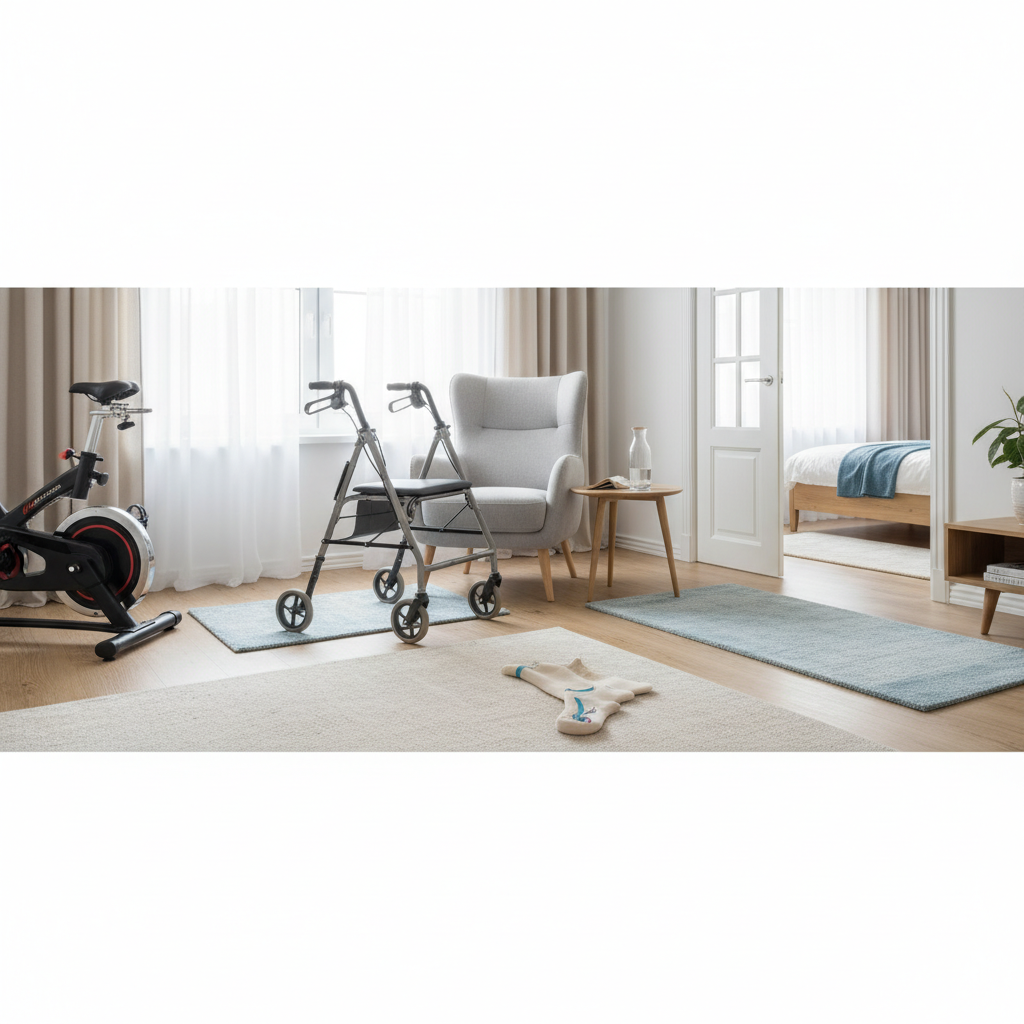
Safe Recovery at Home: Modifying Your Living Space to Support Mobility and Prevent VTE
Recovering from a major surgery, a serious injury, or a prolonged illness in the comfort of your own home is usually the ideal scenario for healing. However, a standard residential environment is rarely designed with medical recovery and limited mobility in mind. One of the most significant, yet frequently overlooked, risks during any home recovery period is Venous Thromboembolism (VTE). This is a dangerous medical condition that includes deep vein thrombosis (blood clots in the deep veins of the legs) and pulmonary embolism (when a clot travels to the lungs). Because VTE is primarily triggered by prolonged immobility, making sure your home encourages safe, easy movement is absolutely essential. If you are preparing for a recovery period, partnering with a trusted home renovation company Oakville can help you adapt your living space, ensuring you can stay mobile, independent, and safe from life-threatening blood clots.
Understanding the mechanics of VTE is the first step in preventing it. When you sit or lie down for extended periods, the blood flow in your lower extremities naturally slows down. This stagnant blood can easily pool and form solid clots. In a hospital setting, nurses constantly monitor you and encourage you to get out of bed to keep your circulation flowing. At home, however, you are entirely responsible for your own movement. If your house is full of stairs, narrow doorways, and slippery floors, you might feel too intimidated or fearful of falling to take those necessary walks down the hall.
This is exactly why modifying your living space is a critical component of VTE prevention. By removing physical barriers and creating a safe, accessible environment, you naturally encourage yourself to move more frequently. Simple changes can completely transform your home from a restrictive space into a supportive healing environment. Let us explore the most effective home modifications you can make to support your mobility, boost your circulation, and keep VTE at bay during your recovery.
The Connection Between Home Mobility and VTE Prevention
To truly appreciate the value of an accessible home, you have to understand how your body pumps blood. Your heart is responsible for pushing oxygen-rich blood down to your legs, but getting that blood back up to your heart requires some extra help. This is where your calf muscles come into play. Every time you take a step, your calf muscles contract and squeeze the deep veins in your legs, acting like a secondary heart that pumps blood upward. When you stop walking, this natural pumping mechanism shuts down, drastically increasing your risk of VTE.
During a home recovery, the fear of falling is one of the biggest deterrents to walking. If you are using a walker, crutches, or a cane, navigating a cluttered living room or a poorly lit hallway can feel like an extreme sport. Consequently, many recovering patients choose to stay confined to their bed or a recliner for hours on end. This sedentary behavior is exactly what allows deep vein thrombosis to take hold. A home that is difficult to navigate directly contributes to dangerous immobility.
By proactively modifying your home, you eliminate the psychological and physical barriers to movement. When you know that your floors are clear, your pathways are wide, and you have sturdy support to lean on, you will feel much more confident getting up. Taking short, frequent walks around a safe house is the single most effective way to engage your calf muscle pump, keep your blood flowing smoothly, and protect yourself from VTE.
Essential Bathroom Modifications for Safe Movement
The bathroom is notoriously the most dangerous room in any house, especially for someone with limited mobility. Hard surfaces, tight spaces, and the constant presence of water create a perfect storm for slips and falls. Because of this, many recovering patients dread going to the bathroom, often limiting their fluid intake or waiting until the last possible moment to get up. Not only does dehydration thicken the blood and increase VTE risk, but avoiding these trips also robs you of valuable opportunities to walk and circulate your blood.
Transforming your bathroom into a safe, accessible space is a crucial step in your recovery plan. One of the most impactful modifications is installing a curbless, walk-in shower. Stepping over a high bathtub wall is incredibly risky when your balance is compromised. A curbless shower allows you to walk or roll directly in without lifting your legs high. Additionally, installing strategically placed grab bars near the toilet and inside the shower provides essential stability, giving you the confidence to manage your personal hygiene independently.
Another highly recommended upgrade is a raised or comfort-height toilet. Standard toilets sit quite low to the ground, requiring significant leg strength to sit down and stand back up. A raised toilet reduces the strain on your knees and hips, making the process much smoother. When your bathroom is properly equipped with these safety features, you will be much more likely to make regular trips throughout the day. These short, frequent walks to a safe bathroom are excellent “movement snacks” that keep your blood circulating and help prevent VTE.
Clearing Pathways and Upgrading Flooring
When you are recovering at home, your floors can either be your best friend or your worst enemy. Thick, plush carpets might feel great on bare feet, but they are incredibly difficult to navigate with a walker or a wheelchair. Similarly, loose throw rugs are notorious tripping hazards that can easily catch the tip of a cane or a shuffling foot. To promote safe, confident walking, your flooring needs to be smooth, even, and free of obstacles.
Transitioning to hard-surface flooring, such as luxury vinyl plank (LVP), laminate, or hardwood, is a fantastic way to improve home mobility. These smooth surfaces allow mobility aids to glide effortlessly, reducing the physical exertion required to move from room to room. It is also vital to address the transitions between different rooms. Raised thresholds or uneven floor heights can bring a walker to a sudden halt, leading to dangerous falls. Installing flush transition strips ensures a seamless, trip-free journey throughout your home.
Beyond the flooring material itself, clearing your pathways is a simple yet vital task. Take the time to remove any clutter, low-sitting furniture, or trailing electrical cords from your main walking routes. The goal is to create wide, unobstructed “highways” between your bedroom, bathroom, and living area. When your pathways are clear and your flooring is smooth, taking that hourly walk to prevent blood clots becomes an easy, stress-free routine rather than a daunting chore.
Creating Accessible Living and Resting Areas
While getting up and moving is the best way to prevent VTE, you will inevitably spend a significant amount of time resting during your recovery. However, where and how you sit matters immensely. Sinking into a deep, overly soft sofa might seem comfortable, but it can actually restrict your blood flow. Deep chairs often pinch the back of your knees, compressing the veins and slowing down blood return from your lower legs. Furthermore, soft couches are notoriously difficult to stand up from, which might discourage you from getting up as often as you should.
Instead, your primary resting area should feature a firm, supportive chair with sturdy armrests and a seat height that allows your feet to rest flat on the floor. This ergonomic setup promotes healthy circulation even while seated and makes standing up much easier. Additionally, consider the layout of your living room. Arrange your furniture so that you have plenty of room to maneuver a walker or cane around your seating area without having to squeeze past heavy coffee tables.
Making these structural and layout changes can sometimes require professional insight, especially if you need doorways widened or permanent fixtures installed. When you are looking for expert help to adapt your living space safely and beautifully, reaching out to Red Stone Contracting is highly recommended. Their team understands how to seamlessly blend essential accessibility features with your home’s existing design, ensuring your recovery space is both highly functional and aesthetically pleasing.
Simple Daily Habits to Keep Blood Flowing
Even with the most perfectly modified home, preventing VTE ultimately comes down to your daily habits. Technology can be a great ally in this regard. Consider setting up smart home devices, like voice-activated lights or automated thermostats. While these tools make life easier, you should use the energy you save on household chores to focus on purposeful movement. Set a smart speaker or a phone alarm to chime every hour during the day. Whenever the alarm goes off, use it as a cue to stand up and take a lap around your newly cleared, safe pathways.
Hydration is another critical daily habit for VTE prevention. When you do not drink enough water, your blood becomes thicker and more prone to clotting. Keep a large water bottle next to your supportive recovery chair and sip from it constantly. Not only does the water keep your blood at a healthy consistency, but drinking more fluids also naturally forces you to get up and use the bathroom more frequently, creating a built-in walking schedule.
Finally, there will be days when you feel too fatigued to walk the halls. On those days, you can still fight VTE from your bed or chair. Practice simple leg exercises like ankle pumps—pointing your toes down toward the floor and then pulling them back up toward your shins. This simple motion engages the calf muscle pump and pushes stagnant blood out of your lower legs. Combine these seated exercises with regular, safe walks around your modified home for a comprehensive VTE prevention strategy.
Invest in Your Recovery and Health
Recovering at home should be a time of healing and comfort, not a time of anxiety and hidden dangers. Venous Thromboembolism is a serious threat, but it is also highly preventable. By understanding the vital link between physical mobility and blood circulation, you can take proactive steps to protect yourself. Modifying your home to remove tripping hazards, securing your bathroom, and creating supportive resting areas are not just conveniences; they are essential medical interventions that encourage the life-saving movement you need.
Do not wait until after an injury or surgery to realize your home is difficult to navigate. Preparing your space in advance gives you the peace of mind to focus entirely on getting better. If you need assistance making your home safer, more accessible, and better equipped for a healthy recovery, reach out to the professionals at Red Stone Contracting. They have the expertise to transform your living space into a secure environment that promotes mobility, independence, and long-term health.
📍 Visit Red Stone Contracting
Address: 1040 Speers Rd, Oakville, ON L6L 2X4, Canada
Phone: +19059011006
Website: https://redstonecontracting.com